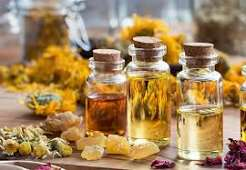

Some days, everything stacks up and all you want is a break without having to actually go anywhere. Aromatherapy is amazing for that. You don’t have to overhaul your day; just add a few drops of the right essential oil, and suddenly your home feels a little calmer. The classic ways to use essential oils? There’s the diffuser, a good soak in the tub, mixing a massage oil, or even just taking a quick sniff right from a personal inhaler. They’re not medicine, but wow, the scent can do wonders when you need to slow down.
What Are Essential Oils?
Think of essential oils as plant super-concentrate. They’re full of aroma and come from different parts of plants: petals, leaves, rinds, seeds, roots, you name it. Each one has its own personality. Lavender, chamomile, bergamot, ylang-ylang—those are pretty popular for dialing down stress. Maybe you feel drawn to something floral, something citrusy, or something that smells like a forest floor. Go with what you like. That’s the whole point. If you actually enjoy the scent, you’ll use it more, and that’s where the relaxation kicks in.
Pick the Right Oils for Your Mood
Every oil sets a different scene. Lavender is the classic for quieting down before sleep. Bergamot and sweet orange have a gentle lift bright but still chill. Chamomile is all about comfort. Don’t stress about collecting a ton of bottles. Just grab one or two, play around, and find out what actually fits your mood. When you’re shopping, look closely at the labels—stick with brands you trust, and double-check ingredients and usage directions.
Create a Relaxing Bath
Another method for using Essential Oils for Stress and Relaxation in your home is by using a bath. Essential oils should not be poured straight into the bath water as they would not naturally disperse in the water and could be in direct contact with the skin. Instead, apply a bath product with the right essential oil formula and/or follow advice from a trained specialist regarding appropriate rate of dilution and selection of product. If you have sensitive skin, use products sparingly and discontinue use if they cause any irritation.
Compose a relaxing massage blend
When properly diluted, essential oils can be added to massage oils. Essential oils may be mixed with a carrier oil (jojoba, sweet almond or coconut) and applied to the skin in small amounts. Following the instructions for diluting the essential oil, as the essential oil manufacturer instructs, is important if you are new to using essential oils. Only use a concentrated essential oil on a small surface area of skin if the product has stated that it is safe to use on this amount of skin. The soothing effect of a hand, shoulder or foot massage can be a part of an evening routine.
Practice Simple Inhalation
A diffuser is not necessary to use aromatherapy. Gently inhale the aroma from a comfortable distance with a drop or two of a suitable essential oil on a tissue or on a personal aromatherapy inhaler is a simple way to do this. Do NOT place essential oils inside your nose or directly under your nose. Fragrance may also be an issue for people who are sensitive to smell or have allergies and respiratory conditions, so use sparingly and make sure to ventilate properly.
Use Aromatherapy in combination with relaxation activities
Essential Oils for Stress and Relaxation can be used in conjunction with other relaxing activities. Don’t just use scent as your only way to relax, make it a complete relaxation routine. You may use the scent of your choice to pair with slow breathing for 5 minutes, for instance. Consider a brief break from screens or listening to gentle music, reading, journaling, or gentle yoga along with aromatherapy. This way essential oils are just one component of a wellness practice.
The following are tips on safety to keep in mind
Essential oils are very potent, so care must be taken in their use. Avoid contact with eyes and do not allow children or pets to come into contact with bottles and never swallow essential oils unless directed so by a qualified healthcare professional for a medically appropriate oil. Certain oils can be irritating to the skin and/or make the skin more sensitive to sunlight. Some oils also may not be suitable for pregnant women, young children or those who have certain health conditions.
Create a Basic Home Aromatherapy Program
It’s easy to incorporate Essential Oils for Stress and Relaxation into your day without making it an overwhelming task. Begin with a fragrance that you love and pick out a time for aromatherapy. For instance, you can apply a diffuser to a few minutes, as you unwind in the evening, or use a fragrance that is well diluted in a massage oil, during a weekend self-care massage. Simple is the best when it comes to the routine, as this makes it easier to stick to. Also be aware that essential oils will have different effects on different people.
Conclusion
Having Essential Oils for Stress and Relaxation in the home can be an easy way to establish a pleasant and calming environment. Using appropriate oils, adding safe diluted oils to your massage and pairing aromatherapy with activities like deep breathing or reading can enhance your daily relaxation experience. The main points to remember are to use essential oils responsibly, select the fragrances that you really enjoy and follow the safety guidelines on the products. Aromatherapy should be used in conjunction with other forms of self care – not as an alternative to medical or mental health care.