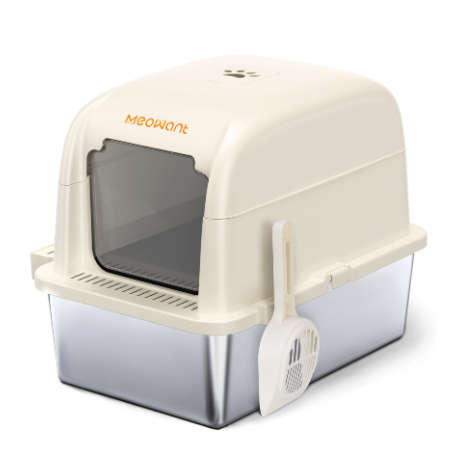

The decision between an automatic and a traditional cat litter box looks like a simple shopping choice, but it is really a decision about how much of your day you want to spend on scooping. Both approaches have loyal defenders, and both fail in predictable ways when they are matched to the wrong household. A busy professional who travels for work has different constraints than a retiree who is home all day, and a household with four cats has different problems than one with a single mellow senior. The honest answer is that neither style is universally better; the right pick depends on your schedule, your cat’s temperament, and how much maintenance you will realistically tolerate on a bad week. This comparison breaks down the tradeoffs in plain terms so you can choose with clear eyes instead of marketing language. The goal is a setup that still functions smoothly six months after the novelty wears off.
How Each Style Works Day to Day
Understanding the mechanics first makes the rest of the comparison concrete. A traditional cat litter box is a passive container: your cat does the work of digging, and you do the work of scooping. An automatic unit adds a sensing and raking mechanism that cycles after your cat leaves, pushing clumps into a sealed compartment. That single difference cascades into everything else, from how often you touch the litter to how much you spend upfront and how tolerant you must be of mechanical quirks.
The Traditional Box in Practice
A traditional cat litter box is forgiving in ways owners only appreciate after a machine fails. There is nothing to calibrate, nothing to power, and nothing to reset after a storm knocks out electricity. Cleaning is a two-minute scoop you can do half-awake, and if you are traveling, a neighbor can manage the routine with no instructions beyond “scoop twice a day.” The tradeoff is that the box depends entirely on human consistency. Skip a day and odor compounds; skip a week and your cat may start looking for alternatives. Traditional boxes also make it easy to notice changes in your cat’s output, an advantage many owners overlook until a health issue appears. For cats who are shy, elderly, or nervous about noise, the low-tech option is often the one they will actually use.
What an Automatic Unit Changes
Automatic units earn their price in households where scooping consistently falls through the cracks. The machine cycles on its own, keeps waste out of sight, and reduces the daily task to emptying a drawer every few days. That reliability matters for owners with long shifts, mobility limitations, or multiple cats generating a constant stream of waste. The hidden costs are less obvious. Automatic boxes need power near the setup, they have moving parts that wear, and some cats need a careful introduction before they trust a machine that moves. Sensors occasionally misfire on very small or very large cats, and the trays and liners that make cleaning convenient also add ongoing expense. None of these are dealbreakers, but they are real considerations for anyone comparing options on price alone.
Cost, Space, and the Hidden Variables
The sticker price is the least interesting number in this comparison. What matters is the total cost of ownership across a year, the footprint the box occupies in your home, and the friction it introduces into your daily routine. A cheap box that you dread cleaning ends up being expensive when you replace it out of frustration, and a premium unit that your cat refuses to enter is the most costly purchase of all.
Where the Money Actually Goes
Traditional boxes are inexpensive to buy and cheap to keep, though you will replace them every few years as plastic scratches and holds odor. Automatic units cost more upfront and require replacement of liners, carbon filters, and eventually worn components. In a two-cat household, the automatic option can pay for itself in avoided litter waste and reduced deep-clean time, but in a quiet single-cat home the math rarely works in its favor. Think in terms of years, not months, and factor in how likely you are to keep up with maintenance. Owners who reliably scoop twice a day rarely need machine assistance; owners who know they will not should weigh that honestly.
Floor Space and Placement Constraints
Automatic units are larger and need clearance for the rotating or raking mechanism, plus a nearby outlet. In a small apartment, that footprint can be the deciding factor. Traditional boxes nest into tight corners and can be moved without rewiring anything. Placement rules apply to both styles: keep the unit away from food, away from slamming doors, and on a level surface that does not wobble under a cat’s weight. Homes with multiple floors benefit from more than one box regardless of style, and the cost of a second traditional box is usually easier to justify than a second machine.
Matching the Box to Your Cat’s Temperament
Cats vote with their paws, and their preferences are more consistent than most owners expect. Some are unbothered by a machine cycling a few feet away; others bolt at the first mechanical whir. Since a litter box only works if your cat uses it, temperament should outweigh feature lists.
Bold Cats Versus Cautious Cats
Confident, curious cats often adapt to an automatic box within days, especially if it is introduced while they are young. Cautious cats need a slower approach: run the machine manually while your cat is nearby, then let it cycle on its own at a distance. If your cat still avoids the unit after a week of gradual exposure, forcing the issue rarely ends well. Senior cats deserve special consideration because high sides and moving parts can be genuinely difficult to navigate. In those homes, a low-entry traditional box placed in a quiet room is often kinder than any feature-rich alternative.
Trial Periods and Fallback Options
Whatever you choose, keep the old box available during the transition. A side-by-side trial lets your cat make the decision without stress, and it gives you a fallback if the new setup causes accidents. Two weeks is a reasonable window for most cats. During that time, watch which box gets used for both urine and stool; a cat who uses one box for one purpose and the other for the rest is telling you something about surfaces or size. Brands like Meowant design boxes with smooth interiors and removable components that make either style easier to maintain, which matters more than any single feature you read about online.
Reliability Over the Long Haul
Six months in, the difference between the two styles becomes clear. Traditional boxes simply keep working, as long as you keep working them. Automatic boxes either settle into a dependable rhythm or begin showing their weak points: a sensor that misses an occasional cycle, a rake that jams on a large clump, a motor that gets louder with age. Neither style is immune to wear, but the failure modes differ, and knowing which you can tolerate is part of choosing well. If you travel often or have a demanding schedule, the reassurance of a machine that cycles at two in the morning may be worth a little troubleshooting. If you prefer tools you can inspect and understand at a glance, a simple box and a good scoop will never surprise you. Either way, check the box weekly for scratches, loose parts, and odor that lingers after cleaning; those signals tell you when it is time for a replacement rather than another round of adjustments.
The Setup That Still Works When Life Gets Busy
The best cat litter box is the one that keeps working on the days you have no energy to spare. For some households that means an automatic unit with a sealed waste drawer and a dependable cycle. For others it means a sturdy traditional box, simple litter, and a scoop kept within arm’s reach. Judge your options by your real schedule rather than your ideal one, consider your cat’s comfort before the feature list, and be honest about which maintenance tasks you will actually complete. Whatever you pick, plan for a transition period, keep a backup box available, and revisit the decision if your household changes. A setup that fits your life will stay clean, and a clean box is the single most reliable thing you can offer your cat.