
Introduction
Owning an electric vehicle can change the way you think about everyday travel. Instead of planning regular visits to a fuel station, you can recharge your car while it is parked at home or at your workplace. However, getting the best experience from an EV depends on having a charging system that suits both the vehicle and the property.
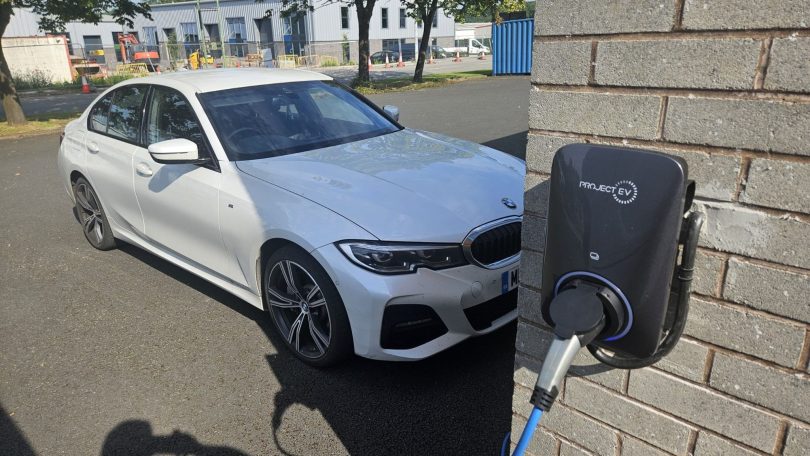
A professionally installed charging point can make electric motoring more convenient, efficient and manageable. For homeowners and businesses considering EV Charger Installation Telford, the process involves more than simply selecting a charger from a catalogue. The available electrical supply, parking arrangements, charging requirements and future usage should all be considered before installation begins.
What Should You Consider Before Installing an EV Charger?
Every property has different electrical characteristics, and every EV owner has different driving habits. A charger that works perfectly for one household may not be the most appropriate solution for another.
Before choosing equipment, it is useful to consider how many miles you normally drive, how long the vehicle remains parked, where you want the charging point installed and whether you may purchase another electric vehicle in the future.
The location of the electrical supply is also important. A charger positioned close to the consumer unit may require a different installation approach from one located at the opposite side of a property or in a detached garage.
An experienced electrician can assess these factors and recommend an installation that balances performance, practicality and appearance.
Matching Charging Power to Your Everyday Routine
EV chargers are available at different power levels, so faster does not automatically mean better. The ideal charging speed depends on your vehicle and how frequently you need to recharge it.
A lower-powered charging arrangement can be suitable for cars that remain parked overnight. If your vehicle is usually at home for several hours, there may be little reason to prioritise extremely rapid charging.
A 7kW home charger is a popular choice for many domestic applications because it provides considerably more charging capability than a standard household socket while remaining practical for residential use.
Higher-powered options, including 22kW systems, may be appropriate in certain circumstances, although the vehicle and property’s electrical supply must be capable of supporting them.
For commercial environments, the requirements can be very different. Businesses managing several vehicles may need multiple charging points or a more powerful infrastructure to support employees, customers or fleet vehicles.
Where Could Your New Charger Be Installed?
The most obvious location is often the driveway, but it is not the only possibility. Depending on the property, an EV charging point could potentially be positioned in a garage, parking area, workplace car park or other suitable location.
Cable routing should be carefully planned from the beginning. An installation that looks neat and unobtrusive can improve the overall appearance of a property while also helping protect cables from accidental damage.
For outdoor installations, the equipment and associated electrical components need to be appropriate for the environment in which they will operate.
Groundworks may also be necessary where a charger is located away from the main building. This is one reason why a site assessment is useful before work starts. It allows potential complications to be identified in advance rather than discovered halfway through the project.
The Advantages of Having a Dedicated Charging Point
Installing an EV charger at your property can provide several practical benefits.
Charge Without Leaving Home
One of the biggest advantages is convenience. Instead of visiting a public charging station after a long journey, you can plug the vehicle in when you arrive home and allow it to charge while you sleep.
This can make EV ownership particularly convenient for people who use their vehicle regularly.
Greater Control Over Charging
Many modern charging systems offer smart features that allow drivers to manage charging sessions through an app or other controls. Depending on the model, users may be able to monitor charging activity and schedule when charging takes place.
This can be useful for households that want to organise charging around their daily routine.
Potentially Lower Running Costs
Charging at home may provide an economical alternative to relying on public charging networks. Drivers with suitable electricity tariffs may also be able to schedule charging during cheaper periods.
The amount saved will vary according to electricity prices, the vehicle’s battery capacity, charging habits and mileage, but having your own charging point gives you greater control over where and when you recharge.
Support for Cleaner Transport
Electric vehicles do not use petrol or diesel directly, making them an important part of the move towards alternative forms of transportation. Where electricity is generated from renewable sources, EV charging can also form part of a wider approach to reducing dependence on fossil fuels.
Why Professional Installation Is Important
An EV charger is connected to a property’s electrical system, so installation should not be treated as a basic DIY project. A professional assessment helps determine whether the existing electrical infrastructure is suitable for the proposed charger.
A qualified installer can assess the consumer unit, cable route, installation position and other relevant factors before work begins.
This is particularly important in older properties or locations where several electrical systems are already operating. The installation needs to work safely alongside the property’s existing electrical demands.
Professional installation also provides an opportunity to ensure the charger is mounted securely, cables are routed appropriately and the completed system is tested before being handed over to the customer.
From First Inspection to Final Handover
A well-organised installation can be divided into several straightforward stages.
Initial Discussion
The first step is understanding what the customer actually needs. This can include the type of EV, expected mileage, preferred charger location, available parking and budget.
Site Evaluation
The property can then be assessed to identify the most practical installation route. The electrician can determine where the charger should be positioned and whether additional electrical work or groundwork could be required.
Equipment Selection
There are many EV charger manufacturers and models available. Features can vary considerably, from charging power and appearance to smartphone connectivity and scheduling functions.
Rather than selecting equipment based purely on its maximum output, it makes sense to choose a system that complements the vehicle and the property’s electrical capabilities.
Installation
Once the plan is agreed, qualified technicians can carry out the necessary electrical work and install the charging equipment. Careful attention to cable routing and mounting can help create a tidy final result.
Testing and User Guidance
The finished charger should be tested to confirm that it operates correctly. The installer can then explain how to start charging, use any available smart controls and manage the system effectively.
This final stage is especially useful for first-time EV owners who may be unfamiliar with the features of modern charging equipment.
Commercial EV Charging in Telford
The demand for electric vehicles is not limited to private motorists. Businesses across Telford and Shropshire may also benefit from introducing charging facilities.
A company could provide charging for employees who drive EVs, support an electric company fleet or offer charging facilities to customers and visitors.
Commercial properties may require a more detailed electrical assessment because several vehicles could potentially charge at the same time. Future expansion should also be considered when planning the initial infrastructure.
This is where an experienced electrical contractor can offer broader support. Companies already working with commercial electrical systems may be able to integrate EV charging with other requirements such as maintenance, electrical testing, three-phase systems, lighting and security installations.
What Makes a Good EV Charging Installer?
Price is naturally important when arranging an installation, but it should not be the only factor considered. The quality of the electrical work can have a long-term impact on the reliability and usability of the charging system.
When comparing EV Charger Installation Shropshire providers, customers should consider:
- Relevant electrical qualifications and training
- Experience with EV charging installations
- Quality and suitability of recommended equipment
- Clear communication before and during installation
- Transparent quotations
- Proper testing after installation
- Warranty and aftercare arrangements
- Ability to handle residential and commercial projects
An installer with wider electrical experience can also be useful when an installation requires additional work, such as upgrading electrical equipment, extending cabling or completing groundwork.
Why Local Experience Can Make a Difference
Choosing a local specialist for EV Charger Installation Telford can make communication and project planning easier. A local contractor can arrange a property assessment, discuss installation requirements and provide support after the charger has been installed.
Severn Volts Limited offers electrical services across Telford and Shropshire, covering residential, commercial and industrial requirements. Its services extend beyond EV charging to electrical installations, testing, maintenance and more complex electrical projects.
The company’s installation approach includes consultation, assessment, professional fitting, testing and customer handover. This type of structured process can be particularly helpful for EV owners installing their first dedicated charger.
Preparing Your Property for the Future of Driving
Electric vehicles are becoming an increasingly familiar sight on UK roads, and charging infrastructure is developing alongside them. Installing a dedicated charger today can therefore be viewed as more than a solution for immediate charging needs.
A well-planned system can provide a convenient charging routine while giving homeowners the flexibility to adapt as their driving requirements change.
For businesses, installing EV charging facilities may also demonstrate a willingness to accommodate changing employee, customer and fleet requirements.
The key is to avoid choosing equipment based solely on headline charging speed or price. A charging solution should be selected according to the property, vehicle, electrical supply and expected usage.
Conclusion
A reliable EV charging setup can make electric vehicle ownership significantly simpler. Instead of depending entirely on public charging facilities, drivers can recharge where their vehicle is already parked and potentially make better use of convenient charging periods.
From selecting suitable equipment and planning cable routes to checking the electrical supply and testing the completed system, every part of an installation contributes to its long-term performance.
Whether you are a homeowner preparing for your first electric vehicle or a business considering charging facilities for staff and customers, professional EV Charger Installation Telford can help you create a safer and more practical charging arrangement.
With appropriate planning, qualified electrical expertise and equipment suited to your needs, an EV charger can become a convenient part of your property rather than another complicated aspect of owning an electric vehicle.