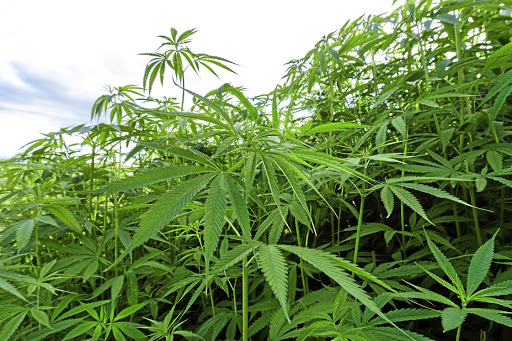
South African conversations about cannabis run on a mix of Afrikaans, English, isiZulu and regulatory language, and the words are not interchangeable. Some of the confusion is harmless. Some of it has legal consequences.
Dagga, weed, cannabis, insangu
These all name the same plant. Dagga is the long-established South African term, from Khoikhoi via Afrikaans. Insangu is the isiZulu word. Cannabis is the botanical name and the one legislation uses. Weed is imported slang.
Nothing separates them botanically. The distinction is register: a court document says cannabis, a friend says dagga, and the Act uses the botanical term throughout.
THC and CBD are compounds, not types
This is where the real confusion sits. THC and CBD are two compounds among more than a hundred the plant produces. THC is the one responsible for intoxication. CBD is not intoxicating.
People speak of buying CBD or buying THC as though they were separate products, and in retail terms they often are — but they come from the same plant, and the difference between a CBD product and a cannabis product is which compound was concentrated and which was removed.
Hemp is a legal category, not a plant
Hemp is cannabis below a specified THC threshold. Above it, the same plant is regulated quite differently. There is no separate hemp species — the word describes where a crop falls relative to a line drawn in law.
What Schedule 0 and Section 21 mean
Schedule 0 means a substance may be sold without a prescription. Most CBD wellness products sold openly in South Africa sit there, within specified limits.
Section 21 refers to a provision under which the health regulator may authorise access to an unregistered medicine for a named patient, on application by a registered practitioner. It is not a shopping category, though it is often spoken of as one. It is an authorisation process with a doctor at the centre of it.
Why the words matter
Because the legal position attaches to the specifics, not the vocabulary. The Cannabis for Private Purposes Act, 2024 sets out what an adult may do privately. What is permitted for personal use, what requires authorisation and what is simply sold on a shelf are three different regimes, and using one word for all of it is how people end up assuming the wrong one applies. Retailers who take the distinction seriously state plainly which category each product falls into — Cannabuben publishes the schedule alongside each item for exactly that reason, which is more useful than any amount of terminology.
Strain names are marketing, not taxonomy
Names like Durban Poison or Blue Dream describe a lineage and a reputation rather than a verified genetic standard. Two suppliers selling the same name may be selling materially different plants, because nothing obliges the name to mean anything specific.
This is why a laboratory report on the batch is more informative than the name on the label. The name tells you what the grower called it; the report tells you what is in it.
Sativa and indica describe shape, not effect
The sativa and indica labels originally described plant morphology — tall and narrow-leafed versus short and broad. They have since been pressed into service as shorthand for expected effect, which is a use the botany does not support and which most modern hybrids make meaningless in any case.
The terms persist because they are useful for shopping, not because they are accurate. Reading them as a rough hint rather than a specification avoids most of the disappointment.
About the author: This article was contributed by Cannabuben, a South African online club supplying lab-tested cannabis, CBD and vaporizer hardware to verified adults over 18. Every batch it sells carries a Certificate of Analysis. More at cannabuben.co.za.