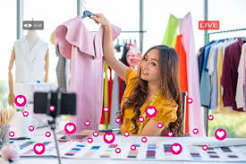

The world of fashion, which was once an enclave of exclusivity, ruled by glossy magazines and runways is now experiencing a massive change. The underlying force behind this shift lies TikTok which has not just changed to the existing rules of marketing but fundamentally changed the rules. Through its visual-driven short-form format for video and a massive global audience of more than 1.9 billion active users TikTok is now an essential force that has a profound impact on the way fashion is viewed and consumed as well as how it is marketed. It is witnessing an new era in which authenticity, creativity, and fast-moving trends determine the success of fashion marketing.
Introduction: The TikTok Fashion Revolution
The rise of TikTok’s popularity as a cultural phenomenon has dramatically altered the world of fashion marketing. Its beginnings as a platform for dance contests and comedy skits has grown into an influential force that influences the fashion world and consumers’ behaviour. Its high levels of engagement that surpass those of other platforms such as Instagram and YouTube and YouTube, makes it an undisputed player. Fashion companies, from young designers to established brands are being forced to change their strategies in line with the unique algorithm and the culture of creators to reach out to younger generations, especially Gen Z, who spend more than 150 minutes each day using the platform. TikTok provides an immersive experience with its the most popular video formats such as “Shopping Hauls,” “Fit Checks,” and “Get Ready With Me (GRWM)” giving an engaging and personal way for users to learn about new trends and brands.
TikTok’s Reshaping of Fashion Influence and Discovery
The top-down approach to distribution of fashion, where fashion brands influenced trends, and people merely accepted them has been completely rewritten. The algorithm used by TikTok, particularly”For You Page “For You Page” (FYP) is a key function in this change in adjusting video selections to the individual preferences of users. This individualized approach ensures that those who are engaged with content about fashion are regularly exposed to new designers, stylists tips, and promotions for brands which makes discovery simpler and more natural.
Contrary to conventional social media platforms where content from follower accounts dominates the platform, TikTok’s FYP shows videos that are based on user behaviour and interests. This gives good-designed content the possibility to become viral and reach millions of users organically. The system has made tastemaking more accessible by allowing people of all ages to be tastemakers themselves by displaying their personal style and engaging viewers. Therefore the fashion show is no longer limited to catwalks. They are now lively releases that can be accessed worldwide through stories, posts and videos of a short duration. Presently, the front row seats at major fashion weeks are typically reserved for TikTok stars as well as Instagram bloggers with a social media presence that is far greater than traditional fashion critiques.
The Rise of User-Generated Content and Micro-Influencers
One of the biggest modifications TikTok has brought about is the growth to the level of the user generated media (UGC). UGC campaigns have become the foundation of fashion marketing, encouraging users to make videos about the product, brand or topic, typically using a brand-specific hashtag. This type of approach encourages genuine interaction and creates an atmosphere of community, which results in more likes, comments and shares. UGC is captivating because it gives credibility and social proof, displaying real people wearing clothes in normal settings that resonate more with prospective customers than traditional advertisements. In reality, UGC often performs better in terms of engagement. It has close to 1.5 times the amount of comments than the original content of brands.
In addition to UGC, micro-influencers have become an effective ally for fashion-related brands. The creators usually have 10,000-100,000 followers but have highly engaged followers. Their authentic relationships with followers help their showcases of products appear more authentic and reliable as opposed to traditional advertisements. Brands such as ASOS, Daniel Wellington, Puma and Lululemon are actively working with micro-influencers in order to tap into their own communities and generate authentic fashion in their designs.
Benefits of working with micro-influencers are:
- Higher engagement rate Micro-influencers typically have an engagement rate of between 3 and 7 percent much greater that the typical 1-2% averaged by mega-influencers.
- Cost-effectiveness They’re generally less expensive than the larger influencers and offer a higher ROI for brands.
- Trust and authenticity: Their likable content establishes trust with their fans, who often seek their suggestions.
- Micro-influencers usually concentrate on areas, which allows brands to connect with highly relevant and engaged viewers.
Accelerated Trend Cycles and Their Market Impact
TikTok has significantly increased the speed of fashion trends and transformed what used to take years to weeks or even just days. This phenomenon has led to the “one-week trend,” where fashions gain huge popularity in a matter of days but fade rapidly. We’ve seen the rapid growth and demise of a variety of “core” aesthetics, such as “coquette-core,” “cottage-core,” “ballet-core,” and “Y2K,” encouraging constant buying to remain trendy.
The rapid pace of change has significantly changed the fashion calendar which traditionally had planned out collections months ahead. Nowadays, viral events can quickly propel fashions to the forefront regardless of season and force brands to change rapidly. This creates a lively and stimulating atmosphere, it also encourages rapid fashion and can lead to excessive consumption and the waste of clothes because consumers are enticed by trendy trends that soon become old-fashioned. The growing demand for speedy and cheaply produced clothes creates environmental damage when products are recycled as trends fade.
To keep up with this constant cycle, certain brands and influencers are shifting the focus of their efforts towards “evergreen style” content, encouraging timeless staples instead of flimsy trends, in line with Gen Z’s preferences for sustainable practices. Brands are also making use of AI-powered tools such as TikTok’s “Trend Discovery” feature to monitor trends that are changing in real time and adapt their production to keep pace with the ever-changing world.
E-commerce Integration and Evolving Brand Strategies
TikTok has gone beyond just content sharing into an important e-commerce platform fundamentally changing the way fashion brands interact with their customers and drive sales. The introduction of TikTok Shop in September 2023 (and its previous tests) is a game changer that seamlessly integrates shopping within the app, in addition to allowing consumers browse and buy products on the spot. At the end of 2024, the sales of TikTok stores had already exceeded the major retailers in certain categories. In 2024 TikTok Shop in the U.S. alone saw 47.2 million customers making purchases via TikTok Shop, with projections that suggest a surge to 55.6 million in 2027.
Fashion companies are using sophisticated strategies to make the most of TikTok’s capabilities in e-commerce:
- Videos that can be purchased Brands make captivating, authentic videos (e.g. clothing hauls, style videos, and try-ons videos) with direct hyperlinks directly to the TikTok Shop, creating a seamless process from discovering to purchasing.
- Live shopping This feature lets brands hold exclusive live events at which consumers can buy products in real-time. This creates urgency and the feeling of exclusivity.
- Marketing through affiliates The TikTok Affiliate Center enables brands to offer their products on an online marketplace where creators can promote the products in exchange for a percentage of commission effectively increasing sales through collaboration with creators. The marketing budget of influencers on TikTok has surpassed US$1.25 billion by 2024, which is a testament to its efficiency.
- Paid ads Ad formats that are innovative like feed ads in-feed or Top View ads blend seamlessly into user feeds, subtilly promote products and align with the culture of creativity on TikTok. Brands typically test their creative ideas organically before deploying the most effective content in “Spark Ads” or dark post ads to increase the size of their posts.
- authentic content The trend is for brands to move away from polished and slick advertisements toward content that is real and genuine with their audience. Often, they incorporate products in lifestyle videos. Videos created by employees and based on trends can also establish trust and keep relevance.
The inclusion of e-commerce capabilities implies that TikTok isn’t only a marketing tool, it is also a direct sales tool that has 40 percent of TikTok users purchasing something from a clothing shop they found through the site. Additionally, users are 20 percent more likely to purchase something they saw on TikTok as compared to other platforms.
Frequently Asked Questions
Do you feel TikTok revolutionized fashion?
TikTok has democratized fashion, dissolving traditional hierarchies and making fashion more accessible to everyone. It allows users of all ages and not only celebrities or high-end brands, to show their lifestyles and style choices, thereby becoming new fashion icons. Participatory models, where consumers are actively producing content, has shaken up the exclusivity of fashion and has proven that creativity isn’t dependent on luxury budgets. Small businesses and designers in the early stages have the chance to reach a wide and diverse global audience which is a step towards equalizing the playing field in the highly competitive fashion business. The platform’s algorithm makes sure that the content is found in accordance with interest, not just followers, giving a range of designs and creators a possibility of becoming viral.
What are the major advantages for fashion brands using TikTok?
Fashion brands can reap many advantages from having a strong TikTok presence:
- Improved visibility and discovery: TikTok’s algorithm lets brands reach a large and diverse target audience, introducing them to the latest fashion designers and new trends. The platform has more than six-in-one percent of people finding new brands or products through the platform.
- high engagement rates Fashion-related posts posted on TikTok have higher engagement rates in comparison to other platforms, which averages 5.2 percent for fashion brands, much higher than Instagram’s 1.53 percent.
- authentic connections by utilizing user-generated content and behind-the-scenes video and direct interactions with their audience, brands can become more human and create stronger, more authentic connections with their target audience.
- Direct sales and conversions Utilizing TikTok Shop and shoppable videos brands can convert their engagement directly into sales inside the application. By 2024 47.2 million U.S. users purchased items on TikTok.
- Trend-Leveraging Brands are able to quickly detect and join in trends that are viral, and incorporate their offerings into the most popular media formats to increase brand visibility and increase their relevance.
- Cost-effective Marketing Influencer marketing on TikTok specifically using micro-influencers, is more efficient than traditional advertising and can provide similar or higher ROI.
How fast do fashion trends appear and fade on TikTok?
Trends in fashion on TikTok appear and disappear with incredible speed, usually within weeks or days. This fast turnover is caused by the algorithm used by the platform that encourages fast consumption of content and rapidly amplifies the reach of viral content to millions of users. This phenomenon is commonly described as”the “one-week trend” or “micro-trends,” where a trend could go viral in a matter of hours but disappear just as fast. This causes a constant desire for innovation and a sense of being a “revolving door” for aesthetics which disrupts the traditional slow fashion calendar.
Conclusion: The Enduring Influence of TikTok on Fashion Marketing
TikTok has completely changed the world of fashion. the way we communicate. TikTok changed the rules of Fashion Marketing, leading to a new era marked by speed, authenticity and the empowerment of users. We’ve witnessed the demise of traditional gatekeepers as well as the rise of more everyday images of style and the acceleration of fashion cycles at a rate that is almost alarming. The unique algorithm of the platform and its emphasis on short-form, entertaining videos have created an effective tool for discovering and a direct channel for online shopping.
Fashion brands’ success on TikTok is contingent on the acceptance of its vibrant culture of encouraging user-generated content, working with a variety of creators, and quickly adapting to the latest trends. In the years to come, as TikTok continues to develop by introducing features such as live shopping and expanding affiliate programs, the effect in influencing consumer behavior as well as increasing sales will only grow. Fashion marketing’s future will definitely continue to be determined by this platform. It will require the ability to be creative, agile and a true connection to a global and engaged public.