
Introduction
Digital marketing has become one of the most important skills in today’s online-driven world. Whether you are a business owner, freelancer, student, or someone planning to build a career in marketing, understanding digital marketing resources can give you a strong advantage. These resources help you learn, plan, execute, and optimize marketing campaigns effectively across different online platforms.
In simple terms, digital marketing resources include tools, platforms, guides, and learning materials that help you grow your online presence. They cover everything from social media marketing, search engine optimization, content creation, email marketing, and paid advertising. With the right resources, even beginners can compete with established brands by using smart strategies and consistent efforts.
The demand for digital marketing skills is increasing rapidly. Companies are shifting their focus from traditional marketing to online strategies because they offer better targeting, measurable results, and cost efficiency. That is why learning how to use digital marketing resources effectively is essential.
In this guide, you will explore what digital marketing resources are, why they matter, how to use them step-by-step, their benefits, risks, common mistakes, expert tips, and frequently asked questions. By the end, you will have a clear understanding of how to build a strong foundation in digital marketing and use resources effectively to achieve real results.
What is Digital Marketing Resources?
Digital marketing resources refer to all the tools, platforms, learning materials, and systems used to plan, execute, and manage online marketing activities. These resources help marketers create strategies, analyze performance, and improve their campaigns over time.
They include:
- SEO tools for keyword research and ranking analysis
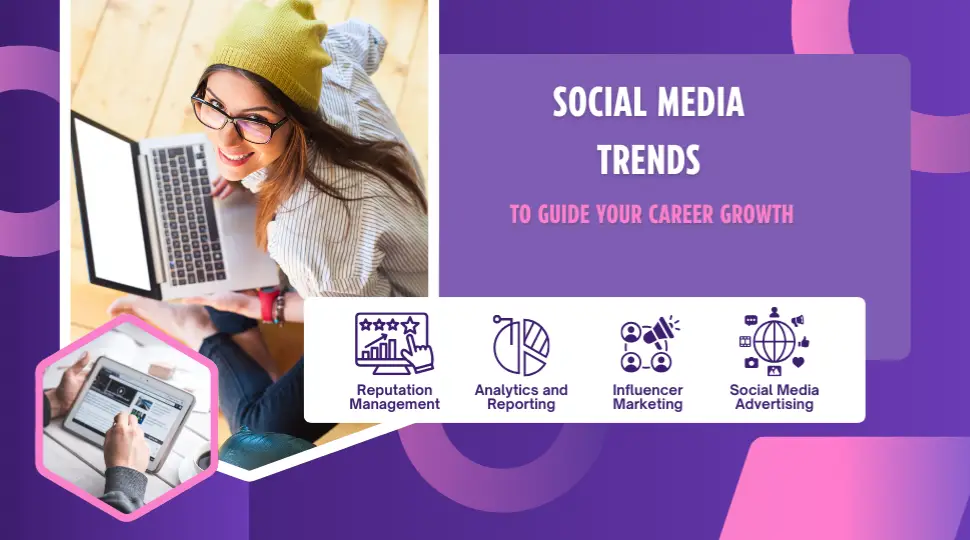
- Social media platforms for engagement and brand building
- Content creation tools for blogs, videos, and graphics
- Email marketing tools for customer communication
- Analytics tools for tracking performance and user behavior
- Paid advertising platforms like Google Ads and Meta Ads
In addition, digital marketing resources also include educational materials such as online courses, blogs, webinars, and industry reports. These help beginners understand marketing concepts and apply them in real-world scenarios.
A strong digital marketing strategy depends heavily on using the right resources at the right time. Without them, it becomes difficult to analyze data, reach the right audience, or improve performance.
Why is Digital Marketing Resources Important?
Digital marketing resources are essential because they provide structure, efficiency, and measurable results to online marketing efforts. In the absence of proper resources, businesses often struggle to achieve consistent growth.
One major reason they are important is that they save time. Instead of manually handling every task, tools automate processes like scheduling posts, analyzing traffic, or sending emails. This allows marketers to focus more on strategy and creativity.
Another important factor is accuracy. With analytics tools, you can understand what is working and what is not. This helps in making data-driven decisions instead of guessing.
Digital marketing resources also help businesses stay competitive. Since most companies are already using advanced tools, those who do not adapt risk falling behind.
Moreover, these resources improve customer targeting. You can reach specific audiences based on age, location, interests, and behavior, which increases conversion rates.
Overall, digital marketing resources are the backbone of modern online marketing strategies. Without them, achieving long-term success becomes very difficult.
Detailed Step-by-Step Guide
Step 1: Understand Your Goals
Before using any digital marketing resource, clearly define your goals. You may want to increase website traffic, generate leads, or improve brand awareness. Clear goals help you choose the right tools and strategies.
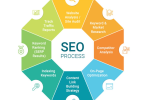
Step 2: Choose the Right SEO Tools
Search engine optimization plays a key role in digital marketing. Use tools like keyword planners, rank trackers, and competitor analysis platforms to identify opportunities.
Focus on:
- Keyword research
- On-page optimization
- Backlink analysis
- Website audit
Step 3: Build a Content Strategy
Content is the foundation of digital marketing. Use content planning tools to create blogs, videos, and social media posts. Make sure your content is valuable and solves user problems.
A good content strategy includes:
- Blog articles
- Social media posts
- Videos and tutorials
- Infographics
Step 4: Use Social Media Platforms
Social media is a powerful resource for engagement and branding. Platforms like Facebook, Instagram, LinkedIn, and TikTok allow you to connect with your audience directly.
Post consistently and interact with followers to build trust.
Step 5: Implement Email Marketing Tools
Email marketing is one of the most effective ways to convert leads into customers. Use automation tools to send newsletters, offers, and updates.
Step 6: Analyze Performance
Use analytics tools to track your performance. Monitor traffic, engagement, and conversions. This helps you understand what needs improvement.
Step 7: Optimize and Improve
Based on data analysis, continuously improve your strategies. Digital marketing is an ongoing process that requires testing and optimization.
Benefits of Digital Marketing Resources
- Improve marketing efficiency and productivity
- Help in better audience targeting
- Save time through automation
- Increase return on investment
- Provide accurate performance tracking
- Support scalable business growth
- Enhance brand visibility online
- Improve customer engagement and loyalty
Disadvantages / Risks
- Some tools can be expensive for beginners
- Over-dependence on tools may reduce creativity
- Requires continuous learning and updates
- Data privacy concerns with certain platforms
- Misinterpretation of analytics data can lead to wrong decisions
Common Mistakes to Avoid
Many beginners make mistakes when using digital marketing resources. Avoid the following:
- Ignoring proper keyword research
- Posting without a content strategy
- Using too many tools without understanding them
- Not analyzing performance data regularly
- Copying competitors instead of building originality
- Neglecting mobile optimization
- Focusing only on paid ads without organic growth
FAQs
1. What are digital marketing resources?
Digital marketing resources are tools, platforms, and learning materials used to manage online marketing activities such as SEO, content creation, and advertising.
2. Are digital marketing resources expensive?
Some tools are free, while advanced platforms may require paid subscriptions depending on features and usage.
3. Can beginners use digital marketing tools easily?
Yes, many tools are beginner-friendly and come with tutorials and guides for easy learning.
4. Which is the most important digital marketing resource?
SEO tools, content creation tools, and analytics platforms are considered the most important for beginners and professionals.
5. Do I need all digital marketing tools at once?
No, it is better to start with basic tools and gradually expand as you gain experience.
6. How do digital marketing resources help businesses?
They help businesses improve visibility, attract customers, track performance, and increase revenue through targeted strategies.
Expert Tips & Bonus Points
- Focus on learning one tool at a time instead of multiple tools
- Always test different strategies before scaling campaigns
- Keep updated with industry trends and algorithm changes
- Combine organic and paid strategies for better results
- Use automation wisely but maintain human creativity
- Track every campaign to understand user behavior
A successful digital marketer knows how to balance tools and strategy effectively. Resources are helpful, but strategy is what drives real success.
Conclusion
Digital marketing resources play a vital role in building successful online campaigns. They help beginners and professionals manage tasks more efficiently, analyze performance, and improve marketing results. In today’s competitive digital world, relying on the right tools is no longer optional—it is essential.
Whether you are running a small business or starting a new career in marketing, learning how to use these resources properly can significantly improve your results. From SEO tools to content creation platforms, each resource contributes to a stronger marketing strategy.
However, success does not come from tools alone. It comes from understanding how to use them effectively with proper planning and consistency. Many beginners make the mistake of relying too much on tools without focusing on strategy, which limits their growth.
By following a structured approach, setting clear goals, and continuously improving your skills, you can build a strong foundation in digital marketing. Over time, you will gain experience and confidence in using different resources to achieve better results.
In the end, digital marketing is a combination of creativity, strategy, and the right resources. Mastering all three will help you succeed in the digital world and grow any online presence effectively.