
Introduction
Search Engine Optimization (SEO) has become one of the most important parts of digital marketing. Whether you are running a blog, managing an online store, or building a business website, SEO helps you attract organic traffic from search engines like Google. Without proper SEO, even the best content can remain invisible online. This is where SEO tools come in.
SEO tools simplify complex optimization tasks such as keyword research, backlink analysis, website audits, rank tracking, and competitor analysis. Instead of guessing what works, these tools provide data-driven insights that help you improve your website performance strategically. From beginners to advanced marketers, everyone relies on SEO tools to stay ahead in search rankings.
In this article, Rana Sahab, you will explore a complete SEO tools list that covers essential tools used by professionals worldwide. You will also understand how these tools work, why they are important, and how to use them effectively. Whether you are just starting your SEO journey or looking to upgrade your strategy, this guide will give you everything you need in a simple and practical way.
By the end, you will have a clear understanding of the best SEO tools available and how they can help you grow your online presence efficiently and sustainably.
What is SEO Tools List?
An SEO tools list is a collection of software applications designed to help website owners and marketers improve their search engine rankings. These tools assist in analyzing, optimizing, and tracking website performance based on SEO best practices.
SEO tools generally fall into different categories such as keyword research tools, technical SEO tools, backlink analysis tools, and content optimization tools. Each category serves a specific purpose in improving your website visibility.
For example, keyword research tools help you find what people are searching for online. Backlink tools show you which websites are linking to your content. Technical SEO tools help you identify errors like broken links, slow loading pages, or mobile usability issues.
In simple terms, SEO tools act like a guide for your website. They show you what is working, what is not, and what needs improvement. Instead of guessing strategies, you get real data to make better decisions.
A well-structured SEO tools list is essential for digital marketers because it saves time, increases efficiency, and improves accuracy in optimization efforts.
Why is SEO Tools List Important?
SEO tools play a critical role in modern digital marketing strategies. Without them, optimizing a website becomes guesswork, which often leads to poor results and wasted effort.
One major reason SEO tools are important is that they provide accurate data. Instead of assuming which keywords might work, you can see real search volume, competition level, and trends. This helps you target the right audience more effectively.
Another important factor is competition analysis. SEO tools allow you to study your competitors, understand their strategies, and identify opportunities they may have missed. This gives you a competitive advantage in your niche.
SEO tools also help in tracking performance. You can monitor keyword rankings, website traffic, and user behavior over time. This helps you measure success and adjust your strategy when needed.
Technical SEO issues can also be detected using these tools. Problems like slow loading speed, broken links, or indexing errors can negatively impact your ranking. SEO tools help you identify and fix these issues quickly.
Overall, SEO tools save time, improve decision-making, and increase the chances of ranking higher on search engines.
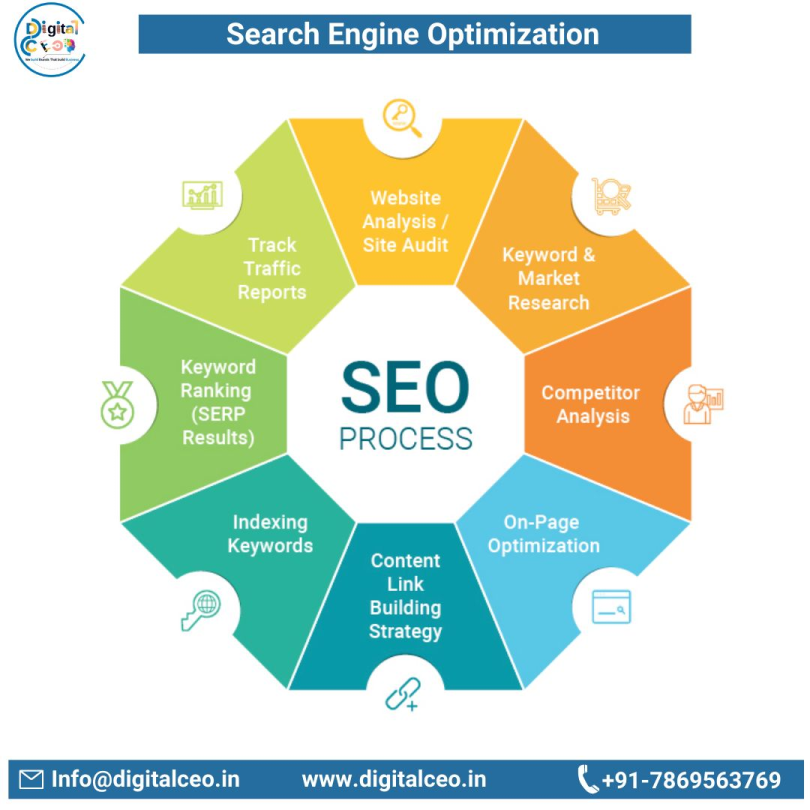
Detailed Step-by-Step Guide
Step 1: Keyword Research
Keyword research is the foundation of SEO. Tools like Google Keyword Planner, Ahrefs, and SEMrush help you find keywords that people are actively searching for. You should focus on keywords with high search volume and low competition for better results.
Step 2: Competitor Analysis
Understanding your competitors is crucial. SEO tools allow you to analyze competitor websites, identify their top-performing pages, and discover their backlink sources. This helps you create better content strategies.
Step 3: Website Audit
A website audit identifies technical issues that may affect your ranking. Tools like Screaming Frog and Sitebulb scan your website for broken links, missing meta tags, duplicate content, and speed issues.
Step 4: Backlink Analysis

Backlinks are one of the strongest ranking factors. Tools like Ahrefs and Moz help you analyze your backlink profile. You can see who is linking to your website and evaluate the quality of those links.
Step 5: Content Optimization
SEO tools also help improve content quality. They suggest keyword placement, readability improvements, and content structure enhancements to make your pages more SEO-friendly.
Step 6: Rank Tracking
Rank tracking tools monitor your keyword positions in search engines. This helps you understand whether your SEO efforts are working or need improvement.
Benefits of SEO Tools List
- Helps improve search engine rankings
- Provides accurate keyword data
- Saves time in SEO research
- Improves content quality and structure
- Identifies technical website issues
- Enhances competitor analysis
- Tracks performance over time
- Increases organic traffic
- Helps in better decision-making
- Supports long-term digital growth
Disadvantages / Risks
- Some tools are expensive for beginners
- Over-reliance may reduce manual SEO skills
- Data interpretation can be complex
- Free tools may have limited features
- Requires learning time for beginners
- Incorrect usage can lead to poor decisions
Common Mistakes to Avoid
One common mistake is relying only on one SEO tool. No single tool provides complete data, so using multiple tools is recommended.
Another mistake is ignoring technical SEO issues. Many users focus only on keywords and forget about site speed and structure.
Keyword stuffing is also a major mistake. Overusing keywords can harm your ranking instead of improving it.
Not tracking progress regularly is another issue. SEO requires continuous monitoring and adjustments.
Lastly, ignoring competitor analysis can limit your growth opportunities.
FAQs
1. What are SEO tools used for?
SEO tools are used to analyze and improve website performance in search engines. They help with keyword research, backlink analysis, and technical SEO.
2. Are free SEO tools effective?
Yes, free SEO tools are useful for beginners, but they have limited features compared to paid versions.
3. Which is the best SEO tool for beginners?
Google Keyword Planner and Google Search Console are great starting points for beginners.
4. Do SEO tools guarantee ranking?
No tool can guarantee ranking, but they significantly improve your chances with proper use.
5. How often should SEO tools be used?
SEO tools should be used regularly, ideally weekly or monthly, depending on your website activity.
6. Can SEO tools replace SEO experts?
No, tools assist SEO experts but cannot replace human strategy, creativity, and experience.
Expert Tips & Bonus Points
Focus on combining multiple SEO tools instead of relying on one. Each tool provides different insights that together create a complete strategy.
Always prioritize user experience along with SEO. Search engines favor websites that provide value to users.
Keep updating your keyword list regularly because search trends change over time.
Use SEO tools to analyze content gaps and create better articles than competitors.
Monitor your website performance consistently to identify improvement areas early.
Conclusion
SEO tools have become an essential part of digital marketing success. They help simplify complex processes like keyword research, competitor analysis, backlink tracking, and website optimization. Without these tools, achieving high rankings on search engines would be extremely difficult and time-consuming.
Rana Sahab, as you have seen in this guide, a well-structured SEO tools list can significantly improve your online strategy. Whether you are a beginner or an experienced marketer, these tools provide valuable insights that help you grow your website effectively.
The key to success is not just using SEO tools, but using them wisely. Understanding the data they provide and applying it correctly is what leads to real results. Consistency, analysis, and continuous improvement are the foundation of strong SEO performance.
If you apply the strategies and tools discussed in this article, you will be able to improve your website visibility, attract more organic traffic, and build a stronger online presence over time.